

Talk to our Expert.
- 16 May, 2026
- Construction
Residential vs Commercial Construction: Key Differences Explained
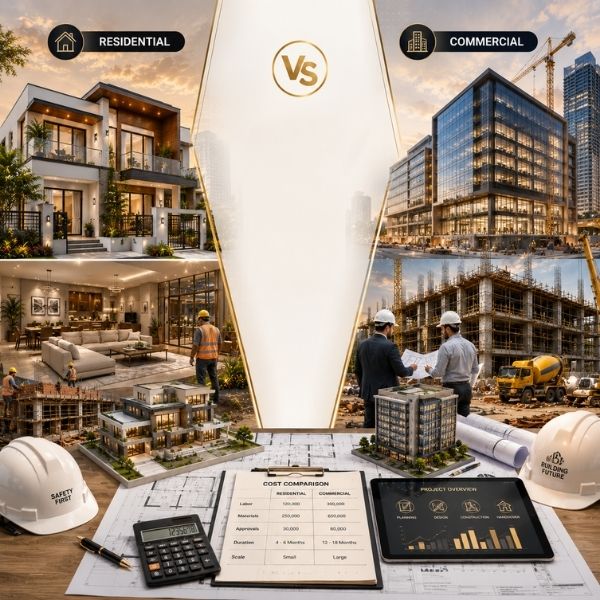
Construction projects generally fall into two major categories: residential construction & commercial construction. While both involve planning, design, materials, and project execution, the requirements, scale, regulations, and complexity can differ significantly. If you're planning a building project or simply want to understand the industry better, this guide explains the differences between residential and commercial construction in simple terms.
What Is Residential Construction?
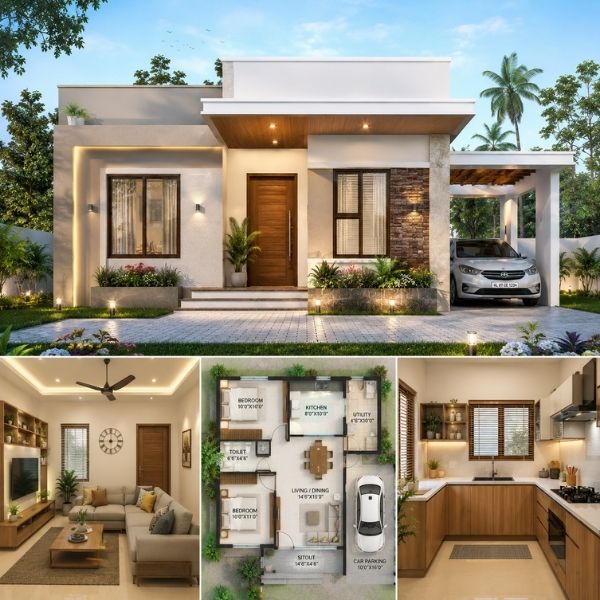
Residential construction refers to building spaces designed for people to live in.
Examples include:
- independent houses
- villas
- duplex homes
- apartments
- townhouses
- residential complexes
The focus is on comfort, aesthetics, privacy, and family living needs.
What Is Commercial Construction?
Commercial construction involves buildings designed for business or public use.
Examples include:
- office buildings
- retail shops
- malls
- hotels
- restaurants
- warehouses
- hospitals
- schools
- factories
These projects focus on functionality, capacity, compliance, and operational efficiency.
Major Differences Between Residential and Commercial Construction
1. Purpose of Construction
Residential Construction:
Built for living and personal use.
Commercial Construction:
Built for business operations, public access, or industrial functions.
2. Project Scale
Residential projects are usually smaller.
Examples:
- 1000 sq ft home
- duplex house
- villa
Commercial projects are often much larger.
Examples:
- office towers
- shopping complexes
- hospitals
Commercial construction typically involves larger budgets and bigger teams.
3. Design Complexity
Residential design focuses on:
- bedrooms
- kitchens
- living spaces
- bathrooms
- aesthetics
- family comfort
Commercial design includes:
- space efficiency
- fire safety planning
- HVAC systems
- elevators
- parking layouts
- emergency exits
- accessibility compliance
Commercial projects are usually more technically complex.
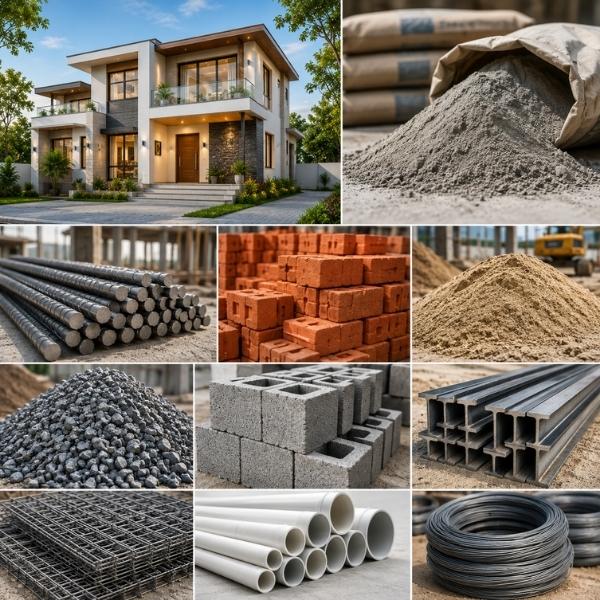
4. Construction Materials
Residential materials often include:
- bricks
- concrete
- tiles
- wood
- UPVC windows
- household fittings
Commercial projects may require:
- structural steel
- reinforced concrete systems
- heavy-duty glass
- industrial flooring
- commercial HVAC materials
- fire-rated systems
Material specifications are generally stricter.
5. Building Codes & Regulations
Residential approvals are comparatively simpler.
Commercial projects face stricter compliance requirements:
- fire department approvals
- occupancy regulations
- accessibility standards
- environmental compliance
- parking regulations
- safety certifications
Commercial projects involve more documentation.
6. Construction Timeline
Residential construction timelines:
- small homes: 6–12 months
- larger villas: 9–18 months
Commercial construction timelines:
- offices: 12–24 months
- malls/hospitals: 18–36+ months
Commercial timelines are longer due to scale and complexity.
7. Labor & Expertise
Residential teams may include:
- masons
- plumbers
- electricians
- carpenters
- painters
Commercial projects often need:
- specialized engineers
- project managers
- safety officers
- mechanical experts
- HVAC technicians
- structural consultants
Larger expertise is required.
8. Cost Per Square Foot
Approximate comparison:
| Construction Type | Cost Range |
|---|---|
| Residential | ₹1,600 – ₹5,000+ / sq ft |
| Commercial | ₹2,500 – ₹10,000+ / sq ft |
Commercial construction is generally more expensive.
9. Safety Requirements
Residential safety focuses on structural durability and occupant comfort.
Commercial safety requirements include:
- fire suppression systems
- emergency evacuation planning
- sprinkler systems
- accessibility compliance
- worker safety regulations
Safety standards are more rigorous.
10. Equipment Usage
Residential construction often uses smaller tools and limited machinery.
Commercial projects commonly require:
- cranes
- lifts
- heavy excavation equipment
- steel fabrication systems
- industrial machinery
11. Financing Structure
Residential funding often comes from:
- personal savings
- home loans
- family funding
Commercial financing may involve:
- business loans
- investors
- institutional funding
- developer capital
12. Maintenance Expectations
Residential buildings focus on homeowner maintenance.
Commercial properties require:
- ongoing facility management
- HVAC servicing
- safety inspections
- tenant maintenance standards
Maintenance is more intensive.
Quick Comparison Table
| Factor | Residential Construction | Commercial Construction |
|---|---|---|
| Purpose | Living spaces | Business/public use |
| Size | Smaller | Larger |
| Complexity | Moderate | High |
| Regulations | Simpler | Strict |
| Cost | Lower | Higher |
| Timeline | Shorter | Longer |
| Safety Rules | Basic | Advanced |
| Materials | Standard | Specialized |
| Teams | Smaller | Larger |
Which One Is Better?
It depends on your goals.
Choose residential construction if you want:
- a personal home
- family housing
- rental housing investment
Choose commercial construction if you need:
- office space
- retail property
- industrial buildings
- business infrastructure
Conclusion
Understanding residential vs commercial construction differences helps you make smarter planning decisions. Residential projects focus on comfort and personal living, while commercial construction emphasizes functionality, regulations, and business performance. Both require proper planning—but commercial construction is typically more complex, regulated, and capital-intensive.